Cannabis Strains Guide for Hopkins Dispensary
Complete Strain Directory
Discover the complete world of cannabis varieties—from classic indicas to energizing sativas and balanced hybrids. Expert guidance for choosing the perfect strain at Hopkins' premier dispensary.
At Hopkins Dispensary, we believe informed choices lead to better cannabis experiences. Cannabis strains are no longer just about indica, sativa, or hybrid classifications—modern cannabis science focuses on chemical varieties (chemovars) based on cannabinoid and terpene profiles that determine the actual effects you'll experience.
Understanding cannabis strains helps you select products that match your specific needs, whether you're seeking relaxation, energy, creativity, or relief. Our expert staff guides you through Minnesota's finest selection with personalized recommendations based on your goals.
Beyond Traditional Classifications
The cannabis industry is moving away from simple indica/sativa categories toward chemical varieties (chemovars) based on cannabinoid profiles. These provide a more accurate picture of potential effects and experiences.
Modern strain selection at Hopkins Dispensary focuses on the plant's chemical composition and growing techniques rather than just traditional categories. As weed enthusiasts, we prefer the more complex and specific model of determining a strain's effects by looking at its mix of cannabinoids and terpenes.
However, the indica/sativa/hybrid model remains a basic, quick, and easy way to get a general sense of how a strain will affect you. Just know that it isn't exact—individual responses vary based on your unique body chemistry.
Explore Cannabis Varieties at Hopkins Dispensary
Choose your exploration method: traditional categories, chemical profiles, or popular strains available at our Hopkins location
Indica
Origin: Afghanistan, India, Pakistan, Turkey
Plant: Short, stocky with broad leaves. Grew in cold, northern climates.
Effects: Typically said to be relaxing and body-focused. "In-da-couch" effect.
Best For: Evening use, relaxation, sleep, watching movies
Growing: Faster flowering (shorter life cycle), more buds, cold-hardy
Sativa
Origin: Africa, Central America, Southeast Asia, Thailand
Plant: Tall, thin with finger-like leaves. Thrives in warm climates.
Effects: Often energizing and cerebral. Productive and uplifting.
Best For: Daytime use, creativity, focus, physical activity, cleaning
Growing: Longer flowering period, grows up to 6+ feet tall
Hybrid
Origin: Crossbred combinations of indica and sativa genetics
Plant: Varies by parent genetics, customizable traits
Effects: Balanced, customizable mix of indica and sativa-like effects
Best For: Flexible timing, all-day use, personalized experiences
Growing: Combines best traits from both parent strains
Type I: High THC
THC: High levels (15-30%+)
CBD: Low levels (0-5%)
Effects: Strong psychoactive effects, euphoria
Best For: Recreational use, experienced users seeking potent effects
Experience Level: Intermediate to advanced users
Note: Start with smaller doses if new to high-THC products
Type II: Balanced THC/CBD
THC: Moderate levels (5-15%)
CBD: Moderate levels (5-15%)
Effects: Balanced, milder psychoactivity, wellness-focused
Best For: Beginners, wellness use, manageable effects
Experience Level: Beginner friendly, all levels welcome
Note: Also known as 1:1 cannabis strains
Type III: High CBD
THC: Low levels (0-5%)
CBD: High levels (10-25%+)
Effects: Minimal to no psychoactivity, therapeutic benefits
Best For: Wellness without the high, anxiety relief, pain management
Experience Level: All levels, including complete beginners
Note: Legal hemp contains less than 0.3% THC
Blue Dream
Balanced hybrid offering gentle cerebral invigoration with full-body relaxation. Sweet berry aroma with creative and euphoric effects. Perfect for all-day use and one of the most popular strains in America.
Sour Diesel
Energizing sativa with distinctive diesel aroma. Known for dreamy, cerebral effects and fast-acting euphoric high. Ideal for combating fatigue, stress, and lack of appetite with long-lasting relief.
Jack Herer
Uplifting sativa blend delivering clear-headed and creative effects. Spicy, pine-scented with energizing properties. Named after the legendary cannabis activist and perfect for daytime productivity.
Afghan Kush
Pure indica from Afghanistan mountains. Heavy, sedating effects with earthy, sweet hash-like aroma. Perfect for evening relaxation and combating insomnia with deeply calming full-body effects.
Northern Lights
Legendary indica known for relaxing body effects. Sweet, spicy aroma with comfortable euphoria and sleepy finish. One of the most famous indicas worldwide, perfect for stress relief and sleep.
Purple Kush
Potent indica with stunning purple hues. Earthy, sweet grape flavors with deeply relaxing, sedating effects. Provides long-lasting pain relief and promotes restful sleep with body-focused calm.
What Determines Cannabis Effects?
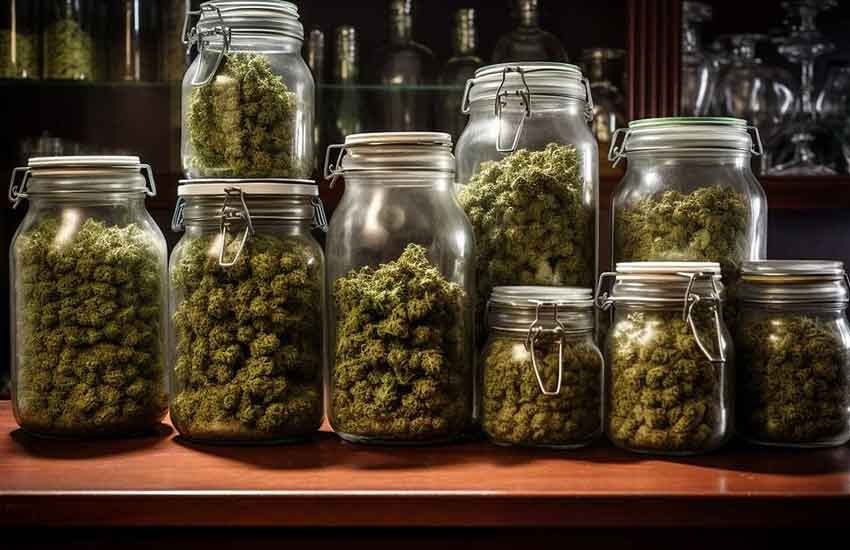
Modern cannabis science shows that effects depend on multiple factors beyond traditional indica/sativa categories. At Hopkins Dispensary, we help you understand these components for better strain selection.
Key Factors Influencing Effects
- Cannabinoids: THC creates psychoactive effects; CBD provides therapeutic benefits; CBN, CBG, and others contribute unique properties
- Terpenes: Aromatic compounds influencing effects—myrcene for relaxation, limonene for mood elevation, pinene for alertness
- Growing Conditions: Environment, nutrients, and cultivation methods significantly impact final chemical profile
- Individual Biology: Your unique endocannabinoid system determines how you respond to different compounds
- Tolerance Level: Previous cannabis experience affects intensity and duration of effects
"Look at lab results and detailed strain descriptions rather than just indica/sativa labels for better strain selection at Hopkins Dispensary. Our staff helps you interpret these results."
Cannabinoids & Terpenes: The Entourage Effect
Understanding the chemical compounds that create unique cannabis experiences
What Are Cannabinoids?
The cannabis plant is composed of hundreds of chemical compounds that create unique effects. The primary ones are cannabinoids, which interact with your body's endocannabinoid system to produce therapeutic and recreational effects.
- THC (Delta-9-Tetrahydrocannabinol): The compound most think of when talking about weed. It's what makes you feel high and relieves symptoms like pain, nausea, and lack of appetite.
- CBD (Cannabidiol): A non-intoxicating compound known to alleviate anxiety, pain, inflammation, and many other medical ailments without producing a high.
- CBN (Cannabinol): Mildly psychoactive cannabinoid known for sedative properties, often found in aged cannabis.
- CBG (Cannabigerol): Non-intoxicating "mother cannabinoid" with potential anti-inflammatory and neuroprotective properties.
These cannabinoids work together to create the entourage effect—the synergistic interaction between compounds that produces more comprehensive effects than any single compound alone.
What Are Terpenes?
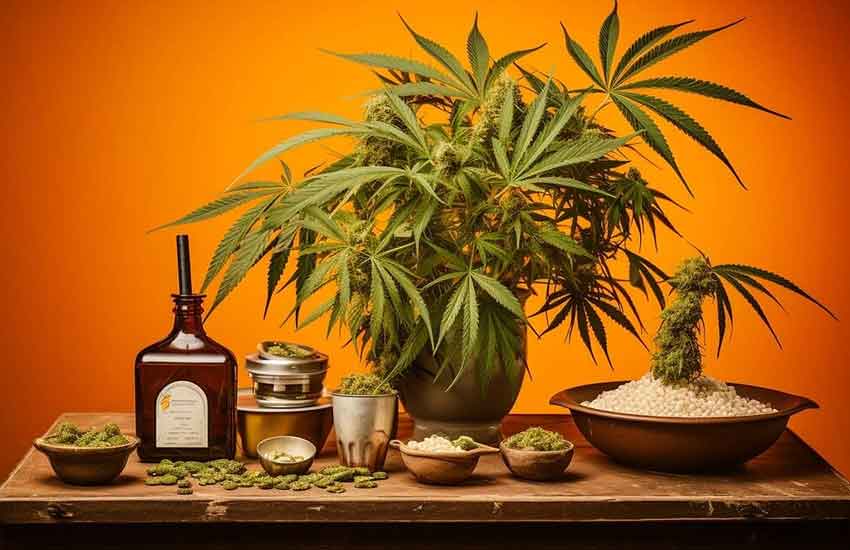
If you've ever used aromatherapy to relax or invigorate your mind and body, you understand the basics of terpenes—the aromatic compounds commonly produced by plants and fruit. They're what make cannabis smell like berries, citrus, pine, or fuel.
Common Cannabis Terpenes:
- Myrcene: Earthy, musky aroma. May promote relaxation and sedation. Found in mangoes and lemongrass.
- Limonene: Citrus scent. Potentially mood-elevating and stress-relieving. Found in lemon and orange peels.
- Pinene: Pine aroma. May enhance alertness and memory. Found in pine needles and rosemary.
- Linalool: Floral, lavender scent. Potentially calming and anti-anxiety. Found in lavender.
- Caryophyllene: Spicy, peppery aroma. May reduce inflammation. Found in black pepper.
- Terpinolene: Herbal, floral scent. Potentially uplifting. Found in nutmeg and tea tree.
Terpenes and different combinations of terpenes shape the effects of different cannabis strains, working alongside cannabinoids to create unique experiences.
How to Choose the Right Cannabis Strain
Expert guidance for selecting strains at Hopkins Dispensary
Finding your perfect cannabis strain involves understanding your goals and preferences. Our knowledgeable budtenders at Hopkins Dispensary guide you through Minnesota's finest selection.
Step-by-Step Strain Selection
- Define Your Goals: Are you seeking relaxation, energy, creativity, sleep, pain relief, or anxiety reduction? Your intended use guides strain selection.
- Consider Timing: Sativas work great for daytime productivity. Indicas excel for evening relaxation. Hybrids offer flexible all-day options.
- Start with Entry-Level: Beginners should choose Type II balanced strains or lower THC content (5-15%) for manageable, comfortable experiences.
- Read Lab Results: Look at cannabinoid percentages (THC/CBD ratios) and terpene profiles for accurate effect predictions beyond strain names.
- Ask Our Budtenders: Our expert staff at Hopkins Dispensary provides personalized recommendations based on your experience level and desired effects.
- Try Small Amounts: Test effects with smaller quantities before committing to larger purchases. Effects vary by individual.
- Keep a Journal: Track strains, doses, and effects to identify what works best for your unique body chemistry.
"Remember that individual responses vary—what works for others may not work the same for you. The same strain can even affect you differently based on growing conditions, your mindset, and environment. Start low, go slow, and find your perfect match."
Cannabis Strains Frequently Asked Questions
Expert answers to common questions about cannabis strains at Hopkins Dispensary
Traditional indica/sativa categories provide general guidance, but individual strain chemistry matters more. At Hopkins Dispensary, we focus on cannabinoid profiles, terpenes, and specific strain descriptions rather than just the category when helping you choose cannabis. However, indica/sativa remains a quick, easy reference point.
Chemovars classify cannabis by chemical composition: Type I (high THC), Type II (balanced THC/CBD), and Type III (high CBD). This system provides more accurate effect predictions than traditional indica/sativa classifications. Our staff helps you understand these profiles for better strain selection based on your goals.
Beginners should start with Type II balanced strains or those with lower THC content (5-15%). Blue Dream, Jack Herer, and strains with 1:1 THC:CBD ratios offer gentler, more manageable effects. Our knowledgeable staff provides personalized beginner recommendations based on your comfort level and goals.
Terpenes are aromatic compounds that influence effects alongside cannabinoids. For example, myrcene may promote relaxation, while limonene might elevate mood and pinene can enhance alertness. The combination of cannabinoids and terpenes creates each strain's unique profile through the entourage effect.
Yes, even the same strain can vary due to growing conditions, harvest timing, curing methods, and your individual biology on that day. Factors like your mood, environment, tolerance, and whether you've eaten can all influence effects. Always start with small amounts when trying a new batch, even of familiar strains.
Discuss your goals with our knowledgeable budtenders at Hopkins Dispensary who can recommend strains based on their effects profile. Look for lab-tested products with detailed cannabinoid and terpene information rather than relying solely on strain names. We guide you through selecting the best match for your needs.
Type I cannabis has high THC and low CBD (strong psychoactive effects). Type II has balanced THC and CBD (milder, manageable effects). Type III has high CBD and low THC (therapeutic benefits without significant high). These chemical profile types help predict effects more accurately than traditional classifications.
This is a helpful general guideline: indicas are typically calm and relaxing (great for nighttime), while sativas are usually energetic and productive (ideal for daytime). However, individual strain chemistry matters more. Check cannabinoid percentages and terpene profiles for more accurate predictions. Our staff helps you find the right match.
All products at Hopkins Dispensary undergo comprehensive lab testing for potency, purity, pesticides, and contaminants. We partner with trusted Minnesota growers who use consistent cultivation methods. Lab results provide detailed cannabinoid and terpene profiles so you know exactly what you're getting every time.
Discover Your Perfect Strain Today
Visit Hopkins Dispensary and explore Minnesota's finest cannabis strain selection with expert guidance. Our knowledgeable staff helps you find the perfect match for your needs and preferences.
Shop Strains Now