CBD vs THC
Complete guide to understanding the differences, effects, benefits, and medical uses of cannabis compounds at Hopkins Dispensary
CBD and THC are the two most well-known compounds found in cannabis plants, but they interact with your body very differently. Understanding CBD vs THC differences can help you make informed decisions about cannabis products and their effects at Hopkins Dispensary.
Both compounds share the same molecular structure but produce distinct effects—THC is known for producing the "high" associated with cannabis, while CBD offers potential wellness benefits without the psychoactive effects.
Understanding Cannabis Compounds
Both CBD (cannabidiol) and THC (tetrahydrocannabinol) are natural compounds found in cannabis plants. They interact with your body's endocannabinoid system but produce very different effects.
Explore CBD vs THC at Hopkins Dispensary
Interactive guide to cannabis compound differences, effects, and benefits
Cannabidiol
Non-psychoactive compound that may offer various wellness benefits without producing a "high." CBD can be extracted from hemp or cannabis—legal hemp must contain 0.3% THC or less.
- Non-psychoactive effects
- May reduce anxiety
- Potential anti-inflammatory properties
- May support better sleep
- Generally well-tolerated
- Available in oils, gummies, extracts, supplements
Tetrahydrocannabinol
Primary psychoactive compound in cannabis that produces euphoric effects. THC binds with CB1 receptors in the brain, producing a high or sense of euphoria.
- Psychoactive ("high" effect)
- May increase appetite significantly
- Potential pain relief properties
- May help with nausea
- Euphoric and relaxing effects
- Available in flower, edibles, oils, tinctures, capsules
CBD Effects
THC Effects
🌿 Relaxation & Stress Relief
Both CBD and THC can help with relaxation, but through different mechanisms. CBD provides calm without impairment and may reduce anxiety, while THC offers euphoric relaxation and mood enhancement. CBD binds very weakly to CB1 receptors, unlike THC which binds directly.
😴 Sleep Support
Many users at Hopkins Dispensary find both compounds helpful for sleep. CBD may offer benefits for insomnia by reducing anxiety that interferes with rest, while THC provides sedating effects that can help you fall asleep faster.
💊 Medical Benefits
CBD may offer benefits for treating depression, anxiety, insomnia, and schizophrenia symptoms. THC is FDA-approved (synthetic forms) for treating chemotherapy-induced nausea and stimulating appetite in AIDS patients. Recent studies show THC potential for fibromyalgia and chronic pain.
🎯 Pain Management
Studies show that a combination of THC and CBD might be most effective for treating pain. THC binds to CB1 receptors for pain relief, while CBD may help reduce inflammation and neuropathic pain. People noticing immediate pain improvement typically use products with more THC than CBD.
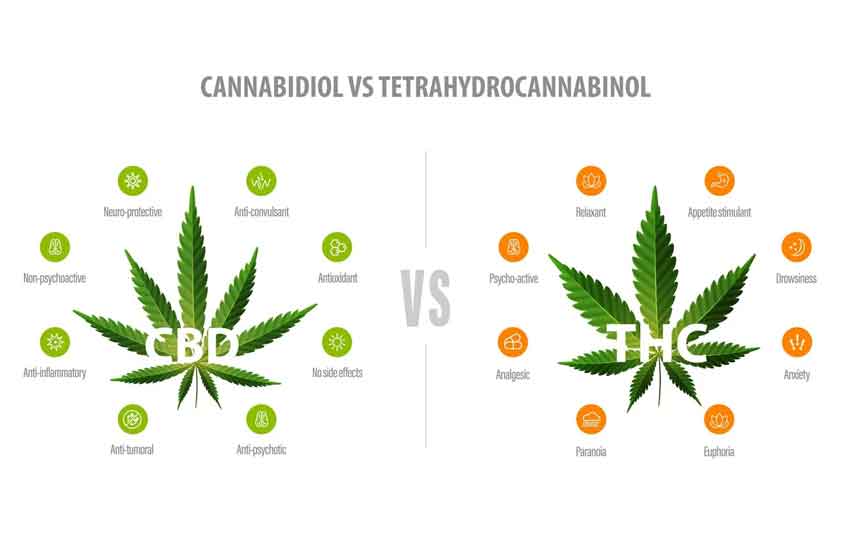
CBD vs THC: Chemical Structure
CBD and THC have the same molecular structure: 21 carbon atoms, 30 hydrogen atoms, and 2 oxygen atoms. A slight difference in how the atoms are arranged accounts for the differing effects on your body.
How They Work
CBD and THC are chemically similar to your body's endocannabinoids. This allows them to interact with your cannabinoid receptors. The interaction affects the release of neurotransmitters in your brain.
Key Molecular Differences
- THC binds directly to CB1 receptors in the brain, producing euphoria
- CBD binds very weakly (if at all) to CB1 receptors
- CBD needs THC to bind to CB1 receptors, which can reduce THC's psychoactive effects
- Different receptor interactions create distinct therapeutic profiles
Despite their similar chemical structures, CBD and THC do not have the same psychoactive effects—CBD is psychoactive, just not in the same manner as THC. Understanding CBD vs THC helps you choose the right products at Hopkins Dispensary.
CBD vs THC Detailed Comparison
Comprehensive breakdown of differences between CBD and THC at Hopkins Dispensary
| Feature | CBD | THC |
|---|---|---|
| Produces "High" | No | Yes |
| Psychoactive | Minimal | Yes - High |
| Receptor Binding | Weak CB1 binding | Direct CB1 binding |
| May Help with Anxiety | Yes - High effectiveness | Variable - may increase anxiety |
| May Increase Appetite | No | Yes - Significant |
| May Help with Sleep | Yes - reduces anxiety | Yes - sedating effects |
| Pain Relief | Moderate - anti-inflammatory | High - direct pain management |
| Drug Test Detection | Possibly (if contains trace THC) | Yes - highly likely |
| Side Effects | Minimal - drowsiness, dry mouth | Various - anxiety, dry mouth, red eyes, impairment |
| FDA Approved Uses | Epidiolex (epilepsy treatment) | Synthetic forms for nausea, appetite |
| Legal Status | Complex - hemp-derived federally legal | Varies by State - legal in Minnesota |
| Tolerance Build-up | Less common | Can develop with regular use |
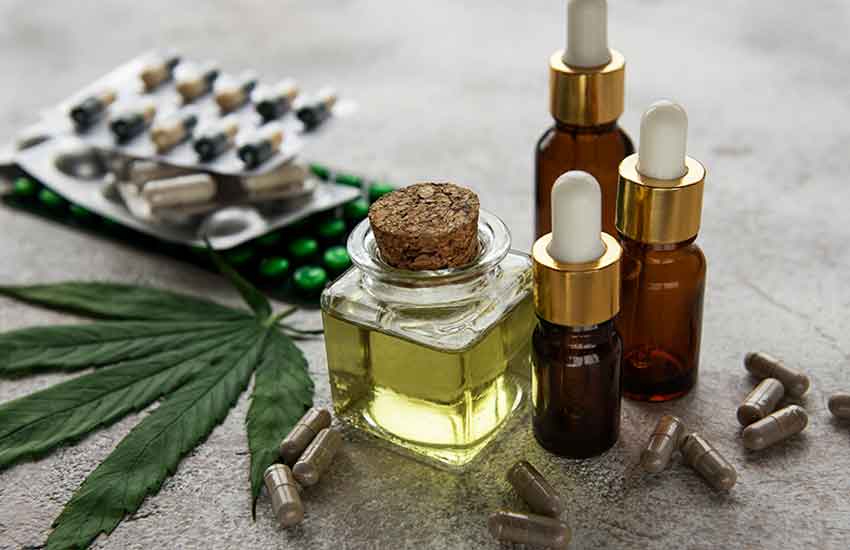
Medical Benefits: CBD vs THC
Both compounds may offer various medical benefits, but they work differently in your body. Understanding CBD vs THC medical applications helps you choose appropriate products at Hopkins Dispensary.
CBD Medical Benefits
- FDA-Approved: Epidiolex treats epilepsy and seizure disorders
- Anxiety & Depression: May offer benefits for treating symptoms
- Anti-Inflammatory: Potential for reducing inflammation
- Neuroprotective: May help with insomnia and schizophrenia symptoms
- Generally Well-Tolerated: Minimal side effects for most users
THC Medical Benefits
- FDA-Approved Synthetic Forms: Nabilone (Cesamet) and Dronabinol (Marinol, Syndros)
- Nausea & Vomiting: Approved for chemotherapy-induced symptoms
- Appetite Stimulation: FDA-approved for AIDS patients and anorexia
- Pain Management: Recent studies show potential for fibromyalgia and chronic pain
- Sleep Aid: Often used to help with insomnia and sleep disorders
Combination Therapy
Studies show that a combination of THC and CBD might be most effective for treating pain and other conditions. CBD can help reduce some of THC's unwanted psychoactive effects like euphoria or sedation while potentially enhancing benefits.
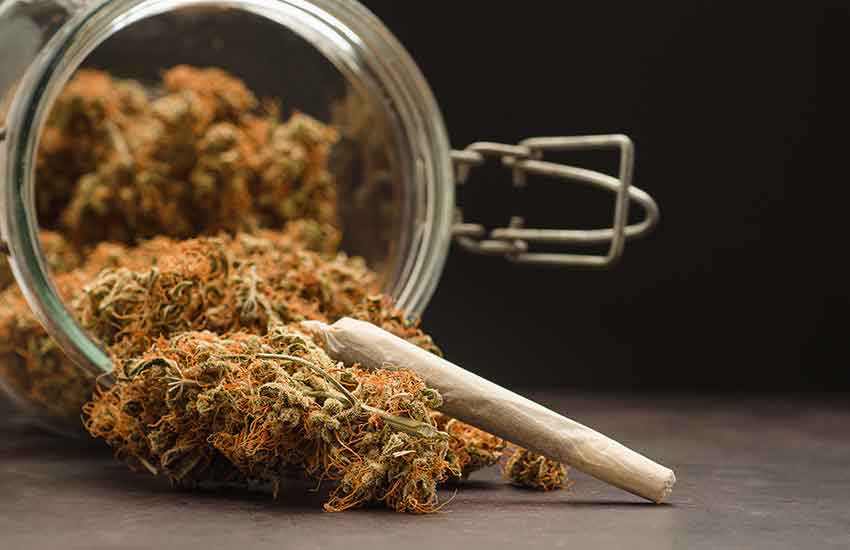
Safety and Considerations
Understanding safety considerations for CBD vs THC helps ensure a positive experience at Hopkins Dispensary:
General Safety Guidelines
- Start Low: Begin with small doses, especially with THC products
- Set and Setting: Use cannabis in comfortable, safe environments
- Drug Testing: Both compounds may appear on drug tests (THC more likely)
- Driving: Never drive under the influence of THC—impairment is illegal
- Storage: Keep all cannabis products away from children and pets
- Tolerance: Tolerance can develop with regular THC use; less common with CBD
Side Effects to Consider
- CBD: Typically mild—drowsiness, dry mouth, minimal side effects
- THC: Can cause anxiety, dry mouth, red eyes, impaired coordination
- Individual Variation: Effects vary significantly between individuals and dosage
Always consume cannabis responsibly and be aware of Minnesota laws and regulations. Our staff at Hopkins Dispensary provides expert guidance on product selection and safe use.
CBD vs THC FAQ
Frequently asked questions answered by experts at Hopkins Dispensary
Despite their similar chemical structures, CBD and THC do not have the same psychoactive effects. CBD is psychoactive, just not in the same manner as THC—it does not produce the high associated with THC. THC binds with CB1 receptors in the brain producing euphoria, while CBD binds very weakly (if at all) to CB1 receptors. They're powerful in different ways for different purposes.
Yes, many products at Hopkins Dispensary contain both CBD and THC. CBD may help reduce some of THC's psychoactive effects while potentially enhancing benefits. Studies show that a combination of THC and CBD might be most effective for treating pain. Start with lower doses when trying combination products.
Research shows that a combination of THC and CBD might be most effective for treating pain. People who notice more immediate improvement in pain symptoms tend to use products containing more THC than CBD. However, CBD's anti-inflammatory properties can be effective for certain pain types. Our Hopkins Dispensary staff can help you find the right balance for your needs.
CBD is often recommended for beginners since it doesn't produce psychoactive effects and has minimal side effects. If you're interested in THC, start with very low doses (5-10mg) and products with balanced CBD:THC ratios. Visit Hopkins Dispensary for personalized beginner guidance from our expert staff.
Effects depend on consumption method. Smoking/vaping: 1-3 hours onset, effects last 2-4 hours. Edibles: 30min-2hrs onset, effects last 4-8 hours or longer. Tinctures: 15-45min onset, effects last 2-4 hours. CBD effects are generally more subtle and may last longer than THC's more noticeable effects.
Pure CBD is less likely to show on standard drug tests, but many CBD products contain trace amounts of THC (up to 0.3% in legal hemp products). THC will likely show on drug tests. If drug testing is a concern, avoid all cannabis products or use only isolate CBD products with zero THC.
CBD side effects are typically mild and may include drowsiness or dry mouth. THC can cause anxiety, dry mouth, red eyes, impaired coordination, and increased heart rate. Effects vary significantly by individual, dosage, and tolerance. Start low and go slow with both compounds.
Tolerance can develop with regular THC use, requiring higher doses for the same effects. CBD tolerance is less common but possible with very high doses. Taking periodic breaks (tolerance breaks or "T-breaks") can help reset tolerance levels. Our staff at Hopkins Dispensary can advise on managing tolerance.
In Minnesota, both CBD and THC are legal for adults 21 and older as of 2025. Hemp-derived CBD (0.3% THC or less) is federally legal. THC from cannabis is legal in Minnesota for recreational use with possession limits. Visit Hopkins Dispensary for compliant, tested products following all Minnesota regulations.
Explore CBD & THC Products Today
Visit Hopkins Dispensary to discover quality CBD and THC products with expert guidance. Our knowledgeable staff helps you understand CBD vs THC and find the perfect products for your needs in full compliance with Minnesota regulations.
Shop Cannabis Products